BuyingReal EstateSelling October 9, 2024

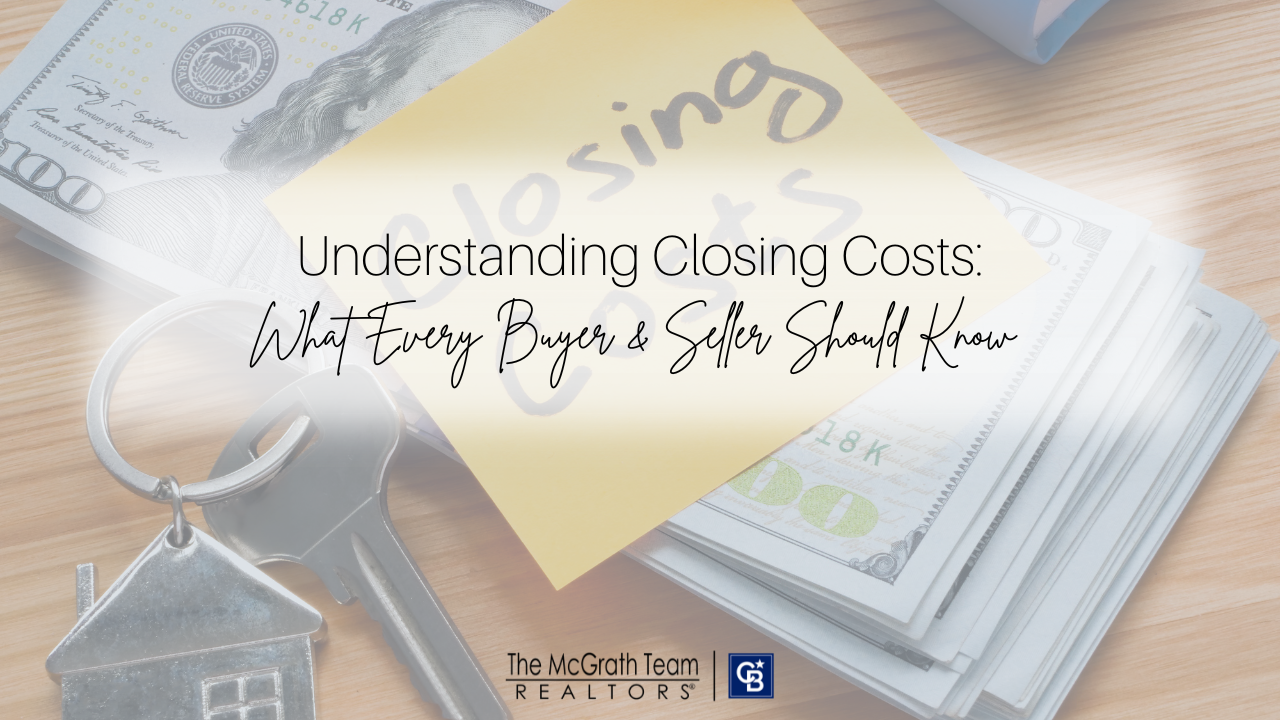
Understanding Closing Costs.

Understanding Closing Costs: What Every Buyer and Seller Should Know

When you’re buying or selling a home, the term “closing costs” often comes up. These costs are a crucial part of the real estate transaction, but they can sometimes catch buyers and sellers off guard if they’re not prepared. Understanding closing costs will help you budget more effectively and avoid any surprises at the closing table.

Here’s a breakdown of what closing costs are, what they typically include, and who is responsible for paying them.

What Are Closing Costs?

Closing costs are the fees associated with finalizing a real estate transaction. These costs are paid at the “closing,” when the title of the property is transferred from the seller to the buyer. They can include a variety of services, ranging from loan origination fees to title insurance and beyond.

On average, closing costs range from 2% to 5% of the home’s purchase price. However, they can vary based on the location of the property, the type of loan, and the terms negotiated between buyer and seller.

Common Types of Closing Costs

There are several common fees that both buyers and sellers should be aware of when planning for closing costs:

  1. Loan Origination Fee
    • This is a fee charged by the lender for processing the loan. It typically ranges from 0.5% to 1% of the loan amount.
  2. Appraisal Fee
    • The lender will require an appraisal of the property to determine its market value, ensuring that the loan amount does not exceed the property’s worth. Appraisal fees generally range from $450 to $600.
  3. Title Search and Title Insurance
    • A title search ensures that there are no outstanding claims or liens against the property. Title insurance protects the buyer and lender against any future disputes over property ownership. Costs for this can vary but typically fall between $1,000 and $2,000, depending on the home’s value and the state.
  4. Inspection Fees
    • A home inspection, while not always required by the lender, is highly recommended for buyers. This typically costs between $350 – $700 depending on the size of the home. Additional inspections, such as termite/pest, sewer lateral, fireplace, septic and well inspections, may also be a good idea to do. Each one will have a different cost. Your Realtor will fill you in on these costs when you work with them so you are prepared. 
  5. Prepaid Expenses (Taxes and Insurance)
    • At closing, buyers will often need to prepay some costs like property taxes, homeowner’s insurance, and possibly mortgage insurance, if applicable. These costs can vary greatly depending on the location and terms of the loan.
  6. Escrow Fees
    • In some cases, buyers and sellers use an escrow service to manage funds during the transaction. Escrow fees are typically split between the buyer and seller, but this can vary based on local customs.
  7. Recording Fees
    • Local government entities charge a fee to record the deed and mortgage documents. These fees can vary by location but are generally between $50 and $200.
  8. Real Estate Agent Commission
    • While not technically a “closing cost,” the seller is typically responsible for paying the real estate agent commission to their listing agent and may offer a compensation to a buyer’s agent to get them to bring qualified buyers to sell their home. Commissions can be paid by seller, by buyer or both and are negotiable somewhat and should be discussed with your Realtor as to what the cost is and what you get for that cost.
  9. Seller Concessions
    • In some cases, sellers may agree to pay part or all of the buyer’s closing costs as a negotiation tool, especially in a buyer’s market. This can help ease the financial burden on the buyer.

Who Pays Closing Costs?

Buyers and sellers are both responsible for different portions of the closing costs, though some fees are negotiable and can be shared depending on the terms of the sale.

  • Buyer’s Closing Costs: Buyers typically cover costs such as the loan origination fee, appraisal fee, inspection fees, title insurance for the lender, and any prepaid expenses like property taxes or homeowner’s insurance.
  • Seller’s Closing Costs: Sellers usually cover the real estate commission, any outstanding property taxes, and in some cases, transfer taxes. Sellers might also cover the buyer’s title insurance in certain states or negotiate other closing fees as part of the sale.

How to Reduce Closing Costs

Closing costs can add up quickly, but there are ways to reduce them:

  1. Negotiate with the Seller: In some cases, buyers can negotiate for the seller to cover a portion of their closing costs, especially if the market favors buyers.
  2. Shop Around for Lenders: Lenders’ fees vary, and you may find that some lenders offer lower closing costs or better terms than others.
  3. Ask for a No-Closing-Cost Loan: Some lenders offer loans with no closing costs in exchange for a higher interest rate. While this might seem like a good deal upfront, be sure to consider the long-term implications of paying a higher interest rate over time.
  4. Check for First-Time Homebuyer Assistance: Many states and local governments offer assistance programs for first-time homebuyers, which can help cover closing costs.


Understanding closing costs is essential whether you’re buying or selling a home. By familiarizing yourself with the types of fees involved and knowing who is responsible for paying what, you can better plan for the final stages of your transaction. As your Realtor we would go over what costs you can expect when you buy and if you are selling we break down all your costs for that and show you what your equity net would be when selling. Knowing up front what your costs will be, helps to alleviate surprises and helps you better know what to plan for during buying or selling a home. Reach out if you want to discuss further what an estimate would be for you. 


Uncategorized September 6, 2024

8 Reasons Having a Good Local Lender Matters When Home Buying a Home.

Purchasing a home is one of the most significant investments you’ll make, and every decision along the way can impact your experience and financial outcome. One crucial decision that many homebuyers overlook is choosing the right lender. While large, national banks may seem convenient, working with a local lender can offer several key advantages that might make your home buying process smoother and more successful.


Here’s why partnering with a good local lender is a smart move:

  1. Personalized Service

Local lenders often offer a level of personal attention that larger institutions simply can’t match. They tend to know their clients by name, understanding their specific needs and concerns. This personalized service can make the mortgage process feel less transactional and more supportive. Having someone who cares about your goals can help ensure that you receive advice tailored to your situation rather than a one-size-fits-all solution. 

  1. Better Knowledge of the Local Market

Local lenders are familiar with the real estate market in your area. This knowledge can be especially beneficial if you’re buying in a competitive market, where timing and local trends are critical. A local lender understands the nuances of the area, such as property values, neighborhood characteristics, and even common inspection issues. This insight can make a big difference in the approval process and in getting a mortgage that fits the local pricing realities.

  1. Strong Relationships with Local Real Estate Agents

Local lenders often have established relationships with appraisers, title companies, and other local professionals involved in the homebuying process. This can lead to better communication and coordination between everyone involved in your transaction. A good local lender can often help expedite the process, since their local connections enable them to resolve issues quickly and efficiently.

  1. More Competitive and Flexible Loan Options

A common misconception is that local lenders may not offer as many options as larger institutions. In reality, local lenders frequently provide a wide array of loan products, including conventional loans, FHA loans, VA loans, and more. They will be more likely to know about local grants and local cost assistance loans that could be options. Additionally, because they are community-focused, local lenders might have more flexibility to work with buyers who may not have perfect credit or a large down payment. Their flexibility can help you secure a mortgage tailored to your specific financial situation.

  1. Faster Processing Times

In the competitive world of real estate, time is often of the essence. One advantage of using a local lender is their ability to process loans more quickly. Local lenders are often more nimble than larger institutions, which can get bogged down by corporate red tape and slow decision-making processes. Because local lenders are focused on your region, they can process paperwork and approvals faster, giving you an edge in a multiple-offer scenario.

  1. Accountability and Trust

Local lenders rely on word-of-mouth recommendations and community trust. As members of your community, they are more likely to go above and beyond to maintain their reputation. They understand that their business depends on providing top-notch service, which means they are more likely to be transparent, communicative, and helpful throughout the process. Unlike large national lenders who might see you as just another number, a local lender views you as a valued community member.

  1. Face-to-Face Interactions

While many parts of the homebuying process can now be handled online, nothing quite replaces face-to-face interaction when you have important questions or need reassurance. Meeting with your lender in person can give you peace of mind and a clearer understanding of the process. Local lenders are often more accessible for in-person meetings, allowing you to build a stronger relationship with them throughout the homebuying journey.

  1. Local Economy Support

By choosing a local lender, you’re not only benefiting from their expertise, but you’re also supporting your community’s economy. Local lenders typically reinvest their profits back into the community through local business investments, job creation, and support for local causes. In short, working with a local lender helps build a stronger, more vibrant community.

Buying a home is a complex process that requires careful consideration of every aspect, including your lender. A good local lender can offer the personalized service, local market expertise, and community trust that can make your homebuying experience smoother, faster, and less stressful. By choosing a lender who is invested in your success and the success of your community, you’re not just securing a loan—you’re securing a partner in one of the biggest decisions of your life. If you need some recommendations for local lenders, reach out to us. We have several that are amazing and our clients have loved working with. 

BuyingReal EstateSelling September 3, 2024

Picking the Right Local Real Estate Agent

How to Pick the Right Local Real Estate Agent-7 Ways

When buying or selling a home, choosing the right real estate agent can make all the difference. With so many agents to choose from, it’s essential to find someone who not only understands the market but also fits your personal needs and style. Here’s a step-by-step guide to help you pick the right local real estate agent.

  1. Understand Your Needs

Before you start looking for an agent, take some time to define your goals. Are you buying or selling? Are you looking for a particular type of property? Understanding your specific needs will help you identify an agent who specializes in those areas.

For Buyers:

  • Do you need an agent who specializes in first-time homebuyers?
  • Are you looking for a particular type of home, such as a condo or single-family house?
  • Is the neighborhood or school district a key consideration?

For Sellers:

  • Are you selling a luxury property that requires a specialized marketing approach?
  • Do you need someone who has experience with short sales or foreclosures?
  • Is a quick sale important to you?
  1. Research Local Market Expertise

Local market knowledge is crucial. An agent with a deep understanding of the area can provide insights into property values, neighborhood trends, and the best schools. Here’s how to gauge an agent’s local expertise:

  • Check Recent Transactions: Look for agents who have successfully closed deals in your desired neighborhood. Many online platforms list an agent’s recent transactions, which can give you an idea of their experience in specific areas.
  • Attend Open Houses: Visiting open houses can give you a feel for how agents interact with potential buyers and showcase a property. It’s also a great way to see their knowledge of the local market in action.
  • Ask About Market Trends: When interviewing agents, ask them about current market trends in your area. A knowledgeable agent should be able to discuss recent sales, price trends, and how these factors might impact your buying or selling process.
  1. Evaluate Experience and Credentials

Experience matters, but it’s not just about how long an agent has been in the business. Consider the following:

  • Specialization: Some agents specialize in certain types of transactions, such as first-time buyers, luxury homes, or investment properties. Choose an agent whose experience aligns with your needs.
  • Certifications: Look for additional certifications like Accredited Buyer’s Representative (ABR), Certified Residential Specialist (CRS), or Seniors Real Estate Specialist (SRES). These can indicate a higher level of expertise in specific areas.
  • Track Record: Ask potential agents about their success rate. How many homes have they sold in the past year? How close to the asking price do they usually close? This information can give you a better understanding of their effectiveness.
  1. Read Reviews and Get Recommendations

Word of mouth and online reviews are powerful tools for finding a reliable agent.

  • Ask for Referrals: Start by asking friends, family, or colleagues for recommendations. Personal experiences can provide valuable insights that online research might miss.
  • Online Reviews: Check websites like Zillow, Realtor.com, or Google for reviews of agents in your area. Pay attention to both the overall rating and specific comments about the agent’s responsiveness, professionalism, and negotiation skills.
  • Interview Multiple Agents: Don’t hesitate to interview several agents before making your decision. This allows you to compare their approaches, market knowledge, and communication styles.
  1. Assess Communication and Compatibility

Real estate transactions involve a lot of communication. You need an agent who is not only responsive but also someone you feel comfortable working with.

  • Responsiveness: Test how quickly an agent responds to your initial inquiry. If they take too long to get back to you, that could be a red flag for future communication.
  • Communication Style: During your meetings, consider how the agent explains the process and answers your questions. Do they listen to your concerns and provide clear, understandable information?
  • Personality Fit: You’ll be working closely with your agent, so it’s important to find someone you get along with. An agent who aligns with your values and understands your preferences will make the process smoother and more enjoyable.
  • In Person Meeting: Did they ask to set up an in person meeting with you? This is an important step that helps you learn more about them and the agent to learn more about you too. The most experienced agents do this before anything else to make sure you both seem to be a good fit for working with each other. 
  1. Understand Their Marketing Strategy

If you’re selling your home, your agent’s marketing strategy is crucial. Here’s what to look for:

  • Online Presence: In today’s digital age, online marketing is essential. Ask about how the agent plans to market your property online, including listing sites, social media, and targeted advertising.
  • Photography and Staging: High-quality photos and staging can significantly impact the sale of your home. Ensure that the agent has a plan for professional photography and staging if needed.
  • Open Houses and Showings: Ask about the agent’s approach to open houses and private showings. A well-thought-out strategy can attract more potential buyers.
  • Track record and stats for their sold properties and more: Ask the agent what their average days on the market are, what their list to sale price ratio is and how they help you past marketing your home. 
  1. Review Their Fees and Contract Terms

Finally, make sure you understand the agent’s fees and the terms of your agreement.

  • Commission Rates: Real estate agents typically earn a commission, usually a percentage of the sale price. Make sure the commission rate is competitive, but don’t choose an agent based solely on the lowest rate.
  • Contract Length: Review the length of the contract and any terms regarding termination. Ensure you’re comfortable with the commitment and that you have an exit strategy if things don’t go as planned.
  • Additional Fees: Some agents may charge additional fees for services like photography, marketing, or administrative work. Clarify these costs upfront to avoid any surprises.

Choosing the right local real estate agent is a critical step in ensuring a successful transaction. Remember, the right agent is not just a salesperson but a trusted advisor who will help you navigate one of the most significant financial decisions of your life. Reach out to Crystal and Drew to set up a no pressure, free consultation to see if you think they are the best fit to help you buy or sell a home! 


Buying August 26, 2024

The Benefits of Downsizing in Retirement.

Retirement marks the beginning of a new chapter—a time to embrace freedom, explore passions, and prioritize well-being. One significant decision many retirees face is whether to downsize their homes. This choice can seem daunting, but downsizing offers numerous advantages that can enhance the quality of life in retirement. Here are some key benefits of downsizing and how it can help you live your best life at this stage in your life.

  1. Financial Freedom and Security

One of the most compelling reasons to downsize is the financial benefit. Selling a larger home can provide a substantial financial boost, especially if your property has appreciated over the years. Here’s how downsizing can improve your financial situation:

  • Reduced Housing Costs: A smaller home generally means lower property taxes, reduced utility bills, and lower maintenance costs. These savings can significantly reduce your monthly expenses.
  • Increased Cash Flow: The equity from selling a larger home can be invested or used to supplement retirement income, providing a financial cushion and enhancing your lifestyle.
  • Debt Reduction: Downsizing allows you to pay off any remaining mortgage, credit cards, or other debts, increasing your financial security and peace of mind.
  1. Simplified Living

Retirement is an ideal time to simplify your life and focus on what truly matters. Downsizing offers the perfect opportunity to declutter and organize, which can lead to a more fulfilling and less stressful lifestyle:

  • Less Maintenance: A smaller home requires less upkeep, freeing up time and energy for hobbies, travel, and spending time with loved ones.
  • Easier to Manage: With fewer rooms and belongings, you can create a more organized and efficient living space that’s easier to clean and maintain.
  • Reduced Stress: A simplified living environment can reduce the mental and emotional burden of managing a larger property, allowing you to enjoy a more relaxed retirement.
  1. Enhanced Quality of Life

Downsizing isn’t just about reducing costs; it’s also about improving your overall quality of life. Here’s how a smaller home can contribute to your well-being:

  • Better Accessibility: Many retirees opt for single-story homes or condos with accessibility features like grab bars, ramps, and walk-in showers, making it easier to age in place.
  • Closer to Amenities: Downsizing often means moving to a location closer to essential services, healthcare facilities, public transportation, and social activities, which can enhance convenience and independence.
  • Sense of Community: Smaller homes in retirement communities or neighborhoods with other retirees can offer a strong sense of community, social interaction, and a supportive network.
  1. Opportunity for a Fresh Start

Retirement is a time for new beginnings, and downsizing can be a symbolic step toward embracing change and opportunity:

  • New Adventures: Moving to a different area or a different type of home can bring new experiences and opportunities to explore new hobbies or activities.
  • Travel Freedom: A smaller home or a property with fewer maintenance needs can make it easier to travel, whether for short trips or extended vacations.
  • Lifestyle Flexibility: Downsizing allows you to reassess your priorities and focus on what truly brings joy and satisfaction.

Want to talk more about downsizing and how we can help? We are always willing to meet with you while you explore your options and discuss how we can help! 


Real Estate August 6, 2024

The Difference Between an Inspection and an Appraisal


The Difference Between an Inspection and an Appraisal.

When navigating the world of real estate, two terms that often come up are “inspection” and “appraisal.” Although these terms are sometimes used interchangeably, they refer to distinct processes that serve different purposes in a real estate transaction. Understanding the differences between an inspection and an appraisal is crucial for buyers, sellers, and anyone involved in real estate transactions. This article will delve into the differences, purposes, and roles of both inspections and appraisals in real estate.

What is a Home Inspection?

Purpose of a Home Inspection

A home inspection is primarily conducted to assess the condition of a property. This process is usually carried out by a certified home inspector, who examines the physical structure and systems of the home, from the foundation to the roof. The main goal of an inspection is to identify any existing or potential issues that may affect the property’s safety, functionality, or value.

Key Components of a Home Inspection

  1. Structural Components: This includes the foundation, roof, walls, ceilings, floors, windows, and doors. The inspector looks for signs of structural damage or deterioration.
  2. Electrical Systems: Inspectors check for proper wiring, grounding, circuit breakers, and overall safety of electrical components.
  3. Plumbing Systems: An inspection covers pipes, drains, water heaters, and the general condition of the plumbing system.
  4. Heating, Ventilation, and Air Conditioning (HVAC): The functionality and efficiency of the HVAC system are assessed.
  5. Appliances: Built-in appliances are tested for proper operation.
  6. Exterior Features: This includes siding, gutters, decks, and any other external structures.
  7. Interior Features: Floors, walls, ceilings, and other internal components are evaluated for condition and safety.

Importance of a Home Inspection

  • For Buyers: A home inspection provides an opportunity to uncover any issues before purchasing. This can influence the decision to buy, negotiate repairs, or adjust the offer price.
  • For Sellers: An inspection report can help sellers identify and address issues before listing, potentially increasing the home’s marketability and value.
  • For Investors: Investors often use inspections to evaluate potential repair costs and assess whether a property is a worthwhile investment.

Home Inspection Limitations

  • Non-Invasive: Inspections are typically non-invasive, meaning inspectors do not tear down walls or dig into foundations. Some problems might be hidden and not immediately detectable.
  • Subject to Inspector Expertise: The quality of an inspection can vary based on the inspector’s experience and thoroughness.

What is a Home Appraisal?

Purpose of a Home Appraisal

A home appraisal is an independent assessment of a property’s market value, conducted by a licensed appraiser. The primary purpose of an appraisal is to provide an unbiased estimate of the home’s worth to ensure that the lender, buyer, and seller have a fair understanding of the property’s value.

Key Components of a Home Appraisal

  1. Comparable Sales (Comps): Appraisers often compare the home to recent sales of similar properties in the area to determine value.
  2. Location: The neighborhood, school district, proximity to amenities, and overall location desirability affect the appraisal value.
  3. Condition: The appraiser evaluates the overall condition of the property, including its age, design, and any improvements or renovations.
  4. Size and Features: The size of the lot, square footage of the home, number of bedrooms and bathrooms, and unique features like a pool or fireplace are considered.
  5. Market Trends: Appraisers consider current real estate market trends and economic conditions that may impact property values.

Importance of a Home Appraisal

  • For Lenders: Lenders use appraisals to determine the loan amount they are willing to offer. This helps prevent lending more than the property’s actual value, minimizing risk.
  • For Buyers: An appraisal ensures that buyers do not overpay for a property, providing peace of mind and a basis for negotiation if the appraisal is lower than the purchase price.
  • For Sellers: An appraisal can validate a home’s asking price, supporting a seller’s valuation and justifying the price to potential buyers.

Home Appraisal Limitations

  • Subjective Elements: Although appraisers follow guidelines, some aspects of the appraisal are subjective and may vary between appraisers.
  • Market Fluctuations: Appraisals reflect current market conditions, which can change rapidly, affecting property value.

Key Differences Between an Inspection and an Appraisal

Aspect Home Inspection Home Appraisal
Purpose Identify property condition issues Determine property market value
Conducted By Certified home inspector Licensed appraiser
Focus Physical structure and systems Market value, location, and comparable sales
Report Details about issues and defects Estimate of property value
Who Benefits Buyers, sellers, investors Lenders, buyers, sellers
Frequency Recommended for every transaction Required for most financed transactions
Nature Detailed, condition-focused Valuation-focused, market-driven
Impact May affect purchase decision and negotiations Affects loan approval and purchase negotiations

Conclusion

In summary, while home inspections and appraisals serve different purposes in a real estate transaction, both are crucial components in ensuring a fair and informed decision-making process for all parties involved. A home inspection is a detailed examination of a property’s condition, focusing on identifying potential problems, while a home appraisal is an assessment of the property’s market value, crucial for securing financing and validating purchase decisions. Understanding these differences helps buyers, sellers, and investors navigate real estate transactions confidently and successfully.

Buying July 1, 2024

A Comprehensive Guide to Downpayment Programs for Homebuyers in 2024

A Comprehensive Guide to Down Payment Programs for Homebuyers in 2024

Buying a home is a significant milestone, but for many, the biggest hurdle is coming up with a down payment. Fortunately, there are numerous programs designed to help first-time and repeat homebuyers make this dream a reality. Here’s an overview of some of the most popular down payment assistance programs available in today’s market.

1. FHA Loans

The Federal Housing Administration (FHA) offers loans that require as little as 3.5% down payment. These loans are particularly popular among first-time homebuyers due to their flexible credit requirements and lower down payment thresholds. Borrowers can also receive assistance from family members or other sources to meet the down payment requirement.

Key Features:

  • Minimum down payment: 3.5%
  • Flexible credit requirements
  • Down payment assistance allowed from external sources

2. VA Loans

For veterans, active-duty service members, and certain members of the National Guard and Reserves, the Department of Veterans Affairs (VA) offers a loan program that requires no down payment at all. VA loans also come with competitive interest rates and no private mortgage insurance (PMI) requirement, making them an excellent option for those who qualify.

Key Features:

  • No down payment required
  • No PMI
  • Competitive interest rates

3. USDA Loans

The United States Department of Agriculture (USDA) provides loans to homebuyers in eligible rural and suburban areas. These loans also do not require a down payment and offer low interest rates. The property must be located in a USDA-eligible area, and there are income limits that borrowers must meet.

Key Features:

  • No down payment required
  • Low interest rates
  • Property must be in an eligible rural or suburban area

4. Conventional 97 Loans

The Conventional 97 loan program is a great option for first-time homebuyers or those who haven’t owned a home in the last three years. This program requires just a 3% down payment, and unlike FHA loans, private mortgage insurance can be canceled once 20% equity is reached.

Key Features:

  • Minimum down payment: 3%
  • PMI can be canceled once 20% equity is achieved
  • Available to first-time homebuyers and those who haven’t owned a home in three years

5. State and Local Down Payment Assistance Programs

Many states and local governments offer down payment assistance programs (DPAs) to help residents buy homes. These programs often provide grants or low-interest loans to cover the down payment and sometimes even closing costs. The specifics vary widely depending on the location, so it’s important to check with local housing authorities for details.

Key Features:

  • Grants or low-interest loans for down payment and closing costs
  • Varies by state and locality
  • Often targeted towards low- and moderate-income homebuyers

6. Good Neighbor Next Door Program

The Good Neighbor Next Door program, offered by the Department of Housing and Urban Development (HUD), provides significant discounts on homes for law enforcement officers, teachers, firefighters, and emergency medical technicians. Eligible participants can receive a 50% discount on the home price, which can be financed with an FHA loan and requires only a $100 down payment.

Key Features:

  • 50% discount on home price
  • Available to specific public service professionals
  • Can be financed with an FHA loan requiring a $100 down payment

7. Employer-Assisted Housing (EAH) Programs

Some employers offer down payment assistance as part of their benefits package. These Employer-Assisted Housing (EAH) programs can include grants, forgivable loans, or matched savings programs to help employees purchase homes. This assistance is often targeted towards employees who work in areas where housing is particularly expensive.

Key Features:

  • Grants, forgivable loans, or matched savings programs
  • Offered by some employers
  • Helps employees in high-cost areas

Tips for Homebuyers

  • Research and Compare: Each program has different eligibility requirements and benefits. It’s essential to research and compare programs to find the one that best suits your needs.
  • Check Eligibility: Some programs have specific criteria such as income limits, first-time homebuyer status, or employment in certain professions. Ensure you meet the eligibility requirements before applying.
  • Work with Professionals: Real estate agents, mortgage brokers, and housing counselors can provide valuable guidance and help you navigate the various down payment assistance programs.

Down payment assistance programs can make homeownership more accessible, especially for first-time buyers and those with limited savings. By understanding the options available and taking advantage of these programs, you can move closer to achieving your dream of owning a home. Always stay informed and seek professional advice to make the best decision for your financial situation. We are happy to help if you are unsure of where to start. Reach out to us and we will get you in contact with a great, local lender to help you decide what programs and loans are best for you and start the home buying process. 


Uncategorized June 17, 2024

4th of July and Other Summer Events!

No matter where you live in the St. Louis/St. Charles area there are plenty of 4th of July Celebrations to partake in:

Riverfest – St. Charles at Frontier Park 7/4-7/5

Heritage & Freedom Fest – O’Fallon, MO  at Ozzie Smith Sports Complex 7/3-7/6

Celebrate St. Louis – St. Louis at the St. Louis Arch Grounds 7/4

Eureka Independence Day Celebration at Central Avenue Spur 7/4

Webster Groves Community Days at Memorial Park 7/3-7/4

Kirkwood Freedom Festival at Kirkwood Park 7/4

Ferguson 4th of July Celebration at January-Wabash Park 7/4


Other Activities Happening in the area in July & August:

Beale St. Concert Series at Streets of St. Charles the 2nd Wednesday of the month May-October

Music on Main at Downtown St. Charles the 3rd Wednesday of the month May-September

O’Fallon Jammin’ Concert Series at Civic Park on Tuesdays this summer

Let Them Eat Art in Maplewood 7/12

Art Hill Film Series in Forest Park 7/12 & 7/19

24th Annual St. Louis Filmmakers Showcase 7/19-7/21 & 7/26-7/28

Taste of St. Louis at Ballpark Village 8/2-8/4

9th Annual Tennessee Williams Festival at Grand Center 8/8-8/18

Blues at the Arch 8/9-8/10

Grub & Groove at Francis Park 8/10

Festival of the Little Hills in Downtown St. Charles 8/16-8/18

Festival of Nations at Tower Grove Park 8/24-8/25

Japanese Festival at Missouri Botanical Gardens 8/31-9/2


BuyingMortgage June 3, 2024

8 Common Homebuyer Questions Answered

We’re your team of real estate experts, and we’ve been in the business for quite some time. Over the years, we’ve encountered a myriad of questions from eager homebuyers navigating the exciting journey of finding their dream home. Today, we’re here to shed light on some of the most common questions we’ve come across and provide you with the insights you need to make informed decisions.

  1. How much home can I afford? Answer: Start by assessing your finances, including income, expenses, and savings. Utilize online calculators to estimate your mortgage affordability. A key tip is to aim for a monthly payment that aligns comfortably with your budget, ensuring financial stability.
  2. What’s the best time to buy a home? Answer: While the real estate market can fluctuate, the best time to buy is often when you are financially ready and the market offers favorable conditions. Keep an eye on interest rates and consider the seasonality of the market in your area.
  3. Should I buy a new home or a resale property? Answer: It depends on your preferences and priorities. New homes offer modern amenities, while resale properties may have more character. Consider factors like maintenance costs, location, and your personal lifestyle when making this decision.
  4. What’s the importance of a home inspection? Answer: A home inspection is crucial. It identifies potential issues that might not be visible to the naked eye. It’s an opportunity to negotiate repairs with the seller or reconsider the purchase if significant problems arise.
  5. How do I choose the right neighborhood? Answer: Research is key. Consider factors such as schools, amenities, and future development plans. Take the time to visit neighborhoods at different times of the day to get a feel for the community’s vibe.
  6. What’s the difference between pre-qualification and pre-approval? Answer: Pre-qualification is an estimate of how much you can borrow based on your financial information. Pre-approval, on the other hand, involves a more in-depth analysis of your finances and credit score. Sellers often prefer buyers with pre-approval, as it demonstrates seriousness and financial capability.
  7. How can I negotiate the best price? Answer: Research comparable home prices in the area, assess the property’s condition, and be prepared to walk away if the negotiation isn’t favorable. Patience and a clear understanding of market dynamics will serve you well. This is one of the areas in which our experience can help you get the best price.
  8. What closing costs should I anticipate? Answer: Closing costs vary, but they typically include fees for the appraisal, title search, insurance, and other services. Be sure to ask for a breakdown from your lender and factor these costs into your budget.

Embarking on the journey to homeownership is an exciting adventure, and we’re here to guide you every step of the way. If you have more questions or need personalized advice, reach out to our experienced team. Let’s turn your dream home into a reality! Contact us today for a consultation tailored to your unique needs.


Buying May 21, 2024

7 Proven Ways to Save Money When Buying Your Next House.

As agents that have been doing this for many years, we have helped many clients find their dream homes while saving money along the way. We understand the significance of making a sound financial decision. Buying a home is a substantial investment, and it’s crucial to explore avenues that allow you to save money without compromising on quality. Here are seven tried-and-true tips straight from our real estate expertise to help you achieve just that:

  1. Thoroughly Research the Market: Knowledge is power in the real estate game. Researching the market thoroughly enables you to identify neighborhoods with potential, upcoming developments, and areas with lower property taxes. By being well-informed, you can make strategic decisions that align with your budget and preferences.
  2. Utilize the Expertise of a Skilled Realtor: Partnering with an experienced realtor can be a game-changer. Realtors bring a wealth of knowledge about the local market, negotiation skills, and access to exclusive listings. With the right realtor by your side, you can navigate the home-buying process more efficiently and potentially snag a better deal.
  3. Consider Off-Peak Buying Seasons: Timing matters in real estate. Buying during off-peak seasons may give you an upper hand in negotiations. Sellers might be more motivated to close deals quickly, giving you room to negotiate a better price or additional perks like home improvements or closing cost assistance.
  4. Get Pre-approved for a Mortgage: Knowing your budget before you start house hunting can save you both time and money. Getting pre-approved for a mortgage allows you to focus on homes within your price range, streamlining the process and helping you avoid falling in love with a property that is beyond your financial reach. It also helps you avoid going under contract on a home then finding out the payment is more than you want and you have spent money on things like inspections and an appraisal.
  5. Be Open to Cosmetic Fixes: Homes that require cosmetic updates or minor repairs often come with a lower price tag. If you’re willing to roll up your sleeves or hire professionals for cosmetic improvements, you can transform a property into your dream home without breaking the bank.
  6. Consider Doing Inspections: We know that inspections can get expensive and add up, but not doing certain ones can really cost you. The most expensive repair costs we see are in roofs, sewer lateral lines and foundation work. Give yourself plenty of time to have inspections and get specialists in as well to verify repair costs. Some repairs may be negotiable with the seller and some may not, so knowing what you are going to be getting into is ideal.
  7. Take Advantage of First-Time Homebuyer Programs: Explore available first-time homebuyer programs and incentives. Many governments and organizations offer financial assistance, grants, or favorable loan terms to help first-time buyers enter the housing market more affordably.

We want to ensure that your home-buying journey is not only successful but also cost-effective. Ready to embark on your home-buying journey? Contact us today, and let our expertise guide you through the process. Your dream home may be more affordable than you think!


The McGrath Team

Uncategorized May 14, 2024

Your Guide to the Katy Trail and its Charming Towns

Your Guide to the Katy Trail and its Charming Towns

Calling all cycling enthusiasts! The St. Charles area boasts a gem for outdoor adventurers – the Katy Trail. This scenic, 225-mile rail-to-trail conversion winds its way through Missouri’s heartland, offering breathtaking views, historic sites, and charming towns perfect for pit stops. Our family loves the Katy Trail on a nice day to take in the scenery and we think you will love it too!

Why the Katy Trail is a Must-Ride:

  • Effortless Exploration: Mostly flat and well-maintained, the Katy Trail is ideal for cyclists of all experience levels. Runners, hikers, and those that just want to walk, enjoy the Katy Trail too.
  • Immerse Yourself in Nature: Cruise through rolling hills, lush forests, and serene farmland, enjoying a true escape from the hustle and bustle.
  • Family-Friendly Fun: A car-free environment makes it a safe and enjoyable experience for the whole family.
  • Historical Gems: Uncover remnants of Missouri’s rich history at various trailside markers and quaint towns along the way.

Fuel Up and Freshen Up:

  • Charles: Your Katy Trail journey likely begins (or ends) in vibrant St. Charles. Refuel at the iconic Lewis & Clark Boat House or grab a coffee and pastry at Main Street Coffee House. For a post-ride treat, indulge in gourmet ice cream, handmade chocolates, and other treats at Kilwins on Main Street.
  • Defiance: Midway through your ride, take a break in Defiance. Head to Good News Brewing Company for delicious drinks and a bite to eat. Wine lovers can unwind at the acclaimed Defiance Ridge Vineyards, enjoying a glass (or two) and stunning vineyard views.
  • Augusta: A charming town steeped in history; Augusta is another excellent rest stop. Mount Pleasant Estates Winery & Augusta Winery offer a selection of wines, snacks, and charming views. Small local stores like Augusta Coffee Shop, Augusta Emporium and Stone Ledge Antiques give you other small, owned stores/shops to check out while in town. Stay overnight in a charming bed and breakfast to take in even more time in Augusta.


Ready to Experience the Katy Trail?

Whether you’re a seasoned cyclist or just like to explore casually, the Katy Trail offers an unforgettable adventure. With its stunning scenery, welcoming towns, and delicious food options, it’s the perfect escape for those seeking a healthy dose of nature and small-town charm.