Facebook
 X
X
 Pinterest
 Copy Link
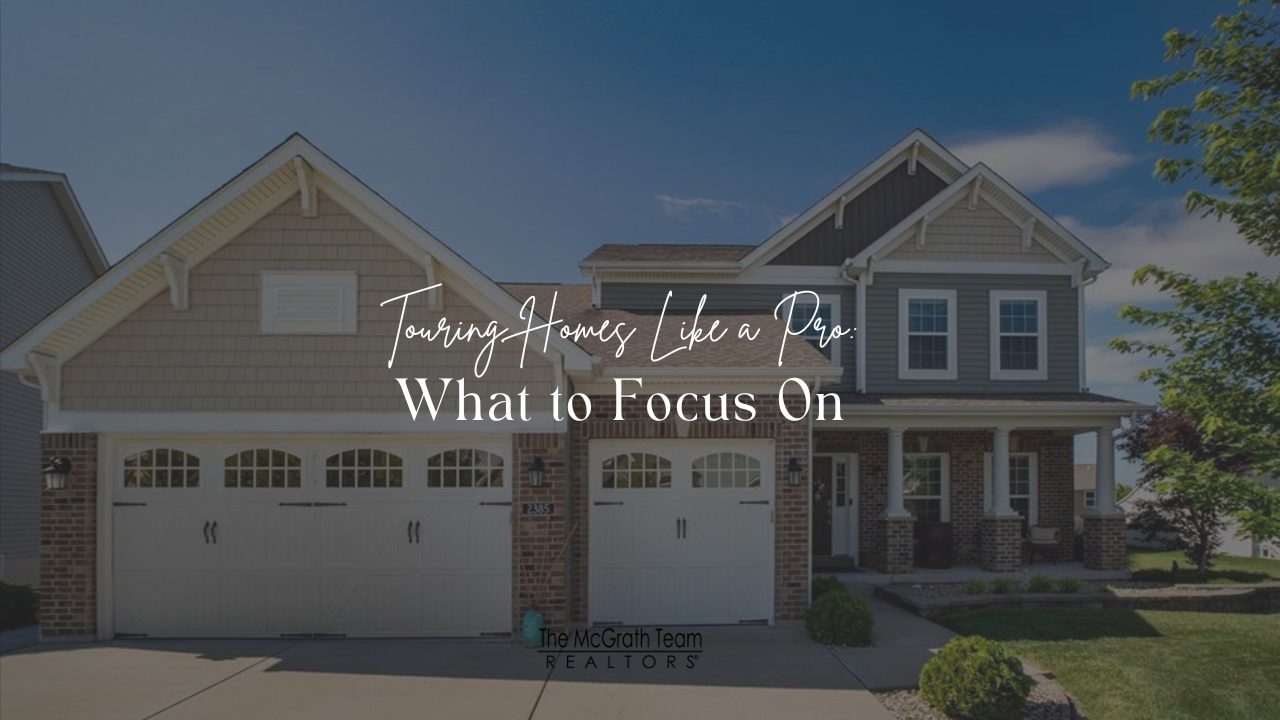
Touring Homes Like a Pro: What to Focus On
Walking through potential homes can be exciting—fresh paint, staged spaces, and charming curb appeal all work hard to impress you. But behind the pretty finishes, there’s a lot more to pay attention to if you want to make a smart, confident buying decision.
Here’s how to tour homes like a pro (and what seasoned agents like us always look for behind the scenes).
1. Start With the Big Picture: Location & Layout
Before you get attached to the backsplash or the cozy fireplace, zoom out.
Ask yourself:
- Does the neighborhood feel like a good fit?
- How’s the traffic, street noise, and overall vibe?
- Does the floor plan work for your lifestyle long-term?
Cosmetic details are easy to change. The layout and location are not.
2. Pay Attention to Natural Light
Light affects mood, energy, and how you enjoy your home day-to-day.
Look for:
- Which rooms receive morning vs. afternoon sun
- Dark or shadowy areas
- Window placement and size
A home with great natural light often feels more inviting and spacious.
3. Check the Age & Condition of Major Systems
New countertops are great—but HVAC systems, roofs, plumbing, and electrical matter more.
During your tour, observe:
- Thermostat brand and age of the HVAC system
- Condition of vents, returns, and ductwork
- Water heater age
- Signs of recent roof work
- Visible plumbing beneath sinks
Replacing major systems can cost thousands, so it’s smart to get a sense early on.
4. Look for Signs of Moisture or Water Damage
This is one of the biggest red flags we look for.
Check:
- Ceilings for discoloration
- Basement walls for dampness or musty smells
- Floors for warping near doors or water sources
- Bathrooms and kitchens for mold or water stains
Moisture often hints at larger issues.
5. Evaluate Windows & Doors
These tell you a lot about how well a home has been maintained.
Pay attention to:
- Drafts around windows
- Difficulty opening or closing
- Condensation between panes
- Gaps around exterior doors
Upgrading windows can dramatically improve comfort and energy efficiency.
6. Don’t Let Staging Distract You
A beautifully styled room can make you feel something—but it can also hide things.
Look past:
- Rugs that might be covering scratches
- Furniture placement designed to distract from odd layouts
- Décor that makes tight rooms seem larger
Focus on the bones, not the accessories.
7. Look at Storage—All the Storage
Closets, linen spaces, the pantry, basement shelving, garage organization. Storage makes or breaks daily convenience.
Open every door. Think about how you actually live and what you need space for.
8. Step Outside and Evaluate the Exterior
The outside tells a story just as important as the inside.
Check for:
- Grading that slopes toward the home
- Cracks in the driveway or foundation
- The condition of siding, fascia, and gutters
- Deck or patio maintenance
Small issues outside can mean bigger issues down the line.
9. Picture Your Daily Routine
This is where emotion matters—in a good way.
Think about:
- Morning traffic patterns in the home
- How far bedrooms are from each other
- Kitchen flow
- Where backpacks, keys, or groceries would naturally land
- Whether the home feels peaceful and comfortable
A home should work with your lifestyle, not against it.
10. Take Notes While You’re There
Homes can start to blur together, especially if you’re touring several in a day.
Jot down:
- What you loved
- What concerned you
- What you’d want to update
- Any strong gut feelings
Your impressions are incredibly valuable.
Final Thoughts
Touring a home is more than just admiring finishes—it’s about understanding its structure, potential, and how well it fits the life you want to live. With the right approach (and the right guidance), you can spot red flags, recognize hidden value, and move forward feeling informed and confident.
If you’d like expert eyes with you on your next tour, we’d love to help. We know what to look for, what to question, and what truly matters for long-term happiness and resale value.